About EPAC & EPAC PLUS BOILER
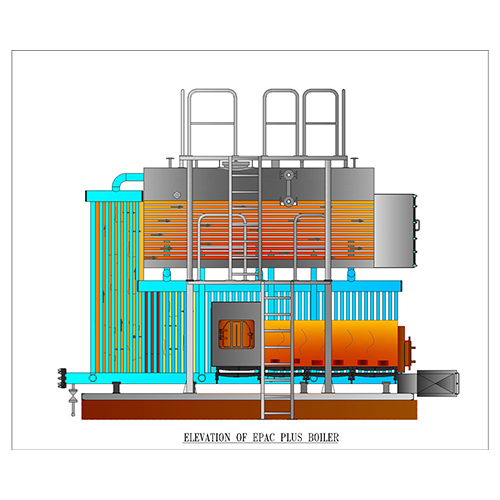
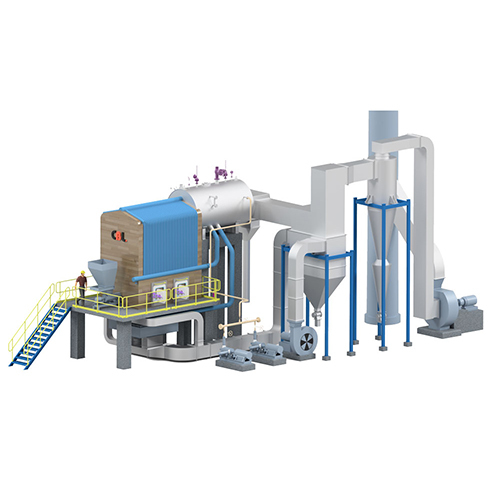
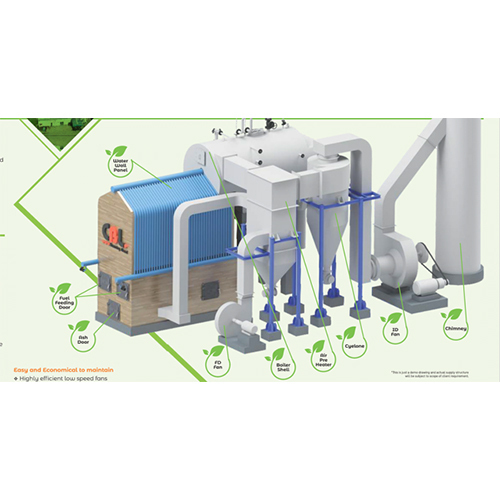
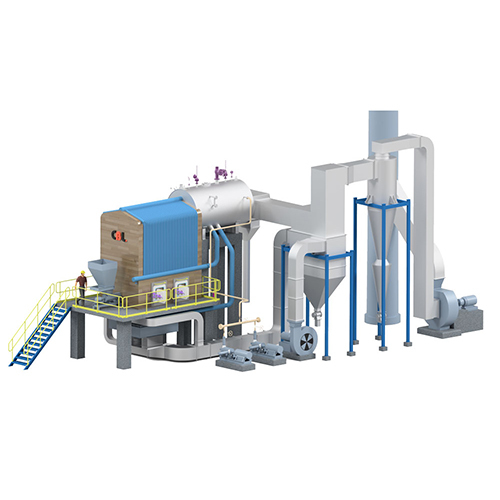
The CBL EPAC and EPAC PLUS bring together the best of water tube and smoke tube design technologies - delivering the most efficient and economical energy solution for plants using biomass and agro-waste fuels. The EPAC PLUS specifically features a large grate designed to burn high-moisture fuels like wood chips and wet agro-wastes that other boilers struggle to combust efficiently.
Key Design Features
- Membrane panel water wall furnace - absorbs maximum heat from combustion
- Large furnace volume - ensures better combustion and lower unburnt losses
- Large water/steam interface area - ensures consistently dry steam
- Responsive to surge and fluctuating loads - higher water holding capacity absorbs demand spikes
- Swirling air injection -ensures better post-combustion burning of biomass fuels
- Water tube technology advantages - better response to surge loads, quick start-up, lower heat loss
- EPAC PLUS: enlarged grate for high-moisture, low-calorific-value biomass fuels
Ideal Applications
- Textile dyeing and processing plants - using cotton stalks, rice husk, or wood
- Sugar mills and distilleries - using bagasse as primary fuel
- Food processing and rice milling
- Agro-industry clusters where multiple biomass fuels are available seasonally
- Pulp and paper - using wood chips and bark
Why SEACPL Recommends EPAC / EPAC PLUS
The EPAC range is SEACPL's recommendation when fuel diversity is important - when a plant needs to switch between biomass types based on seasonal availability and cost. The hybrid design delivers superior steam quality and surge load handling compared to a conventional smoke-tube boiler at the same capacity.
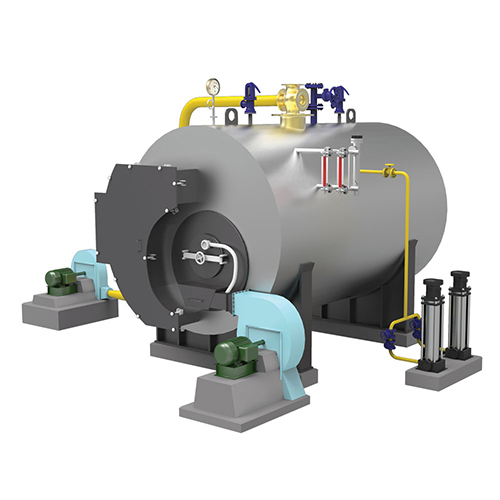
High-Pressure Optimized PerformanceEPAC and EPAC PLUS BOILERS are engineered to handle high-pressure requirements, making them ideal for intensive industrial applications. With their sturdy stainless steel construction, these boilers ensure maximum heat efficiency, elevated pressure capabilities, and long-term resilience, contributing to seamless operations in a variety of industries.
Versatility in Industrial UseThese boilers are tailored to meet the diverse needs of the Indian industrial sector, functioning efficiently across a voltage range of 220-440 Volts. Their standard size allows for easy integration into new or existing setups, providing flexible solutions for manufacturers, processing plants, and more.
FAQ's of EPAC & EPAC PLUS BOILER:
Q: How do I install and start using the EPAC & EPAC PLUS high-pressure boiler?
A: Installation should be carried out by a certified professional familiar with high-pressure systems. Ensure the boiler is connected to an appropriate 220-440 Volt power source. Once properly installed, follow the manufacturer's instructions to fill, prime, and start the unit safely.
Q: What industrial applications are suitable for these stainless steel boilers?
A: These boilers are ideal for industries requiring high-pressure steam or hot water-such as manufacturing plants, processing facilities, chemical industries, and pharmaceutical sectors-thanks to their robust stainless steel design and high-pressure capabilities.
Q: When should I perform regular maintenance on the boiler?
A: Regular maintenance is recommended every six months or as specified in the manufacturer's guidelines. Periodic checks ensure optimal performance and longevity, as well as compliance with safety standards in industrial environments.
Q: Where can I purchase EPAC & EPAC PLUS BOILERS in India?
A: These boilers are widely available through authorized retailers, suppliers, traders, and wholesalers across India. Contacting a verified distributor ensures genuine products and after-sales support.
Q: What is the process for commissioning the EPAC PLUS BOILER at a new site?
A: Commissioning involves site preparation, electrical connection (220-440 Volts), water supply integration, pressure testing, and safety verification. It is crucial to have trained technicians manage this process to guarantee safe and efficient operation.
Q: How does using a stainless steel boiler benefit industrial operations?
A: Stainless steel construction provides superior durability, corrosion resistance, and efficient heat transfer. This results in lower maintenance, longer equipment lifespan, and reliable performance under high-pressure demands.
Q: What are the usage guidelines to optimize boiler efficiency and safety?
A: Operate the boiler within specified pressure and voltage limits, adhere to recommended start-up and shutdown procedures, and perform routine inspections. Proper water treatment and timely servicing help prevent scale buildup and ensure overall efficiency.
 Send Inquiry



 Send Inquiry

 Send Inquiry
 English
 Spanish
 French
 German
 Italian
 Chinese (Simplified)
 Japanese
 Korean
 Arabic
 Portuguese