About Dynathern Vertical Thermic Fluid Heather
Dynatherm is the new generation compact Thermic Fluid Heater.
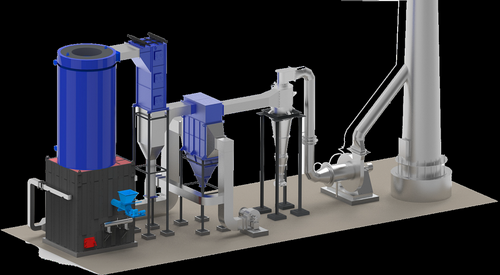
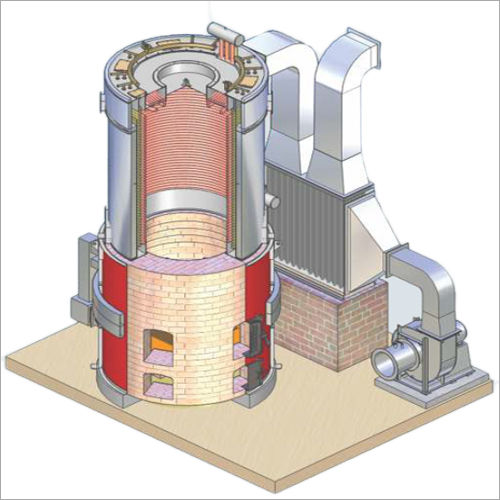
Dynatherm is a robust, compact, modular, high performance solid fuel fired vertical thermal oil heater.
Its modular design has the flexibility to operate on multiple fuels & is suitable to accommodate multiple
combustor options. Its compact design reduces footprint, lowers time & site hassles during installation,
yet matches industry needs.
Reliable and Efficient Industrial HeatingThe Dynathern Vertical Thermic Fluid Heater offers outstanding thermal efficiency, achieving up to 87% performance. Its vertical seamless tube design ensures uniform heat transfer and minimal heat loss. The robust mild steel construction, paired with advanced rockwool insulation, prevents thermal leaks and enhances operational safety, making it perfect for demanding industrial environments.
Versatile Fuel and Power OptionsDesigned to cater to diverse industrial needs, this heater operates on multiple fuel types including light diesel oil, furnace oil, natural gas, and solid fuels. Its power requirements and voltage output can be customized to align with your specific process requirements. The flexible fuel and power compatibility allow seamless integration into existing plant setups.
Advanced Control and Safety SystemThe fully automatic digital control panel provides user-friendly management, monitoring, and safety features. It ensures precise temperature regulation and reliable shutdown protocols, reducing the chances of operator error. The forced circulation pump system further boosts heating efficiency and uniformity, while the single flue gas outlet simplifies installation and maintenance.
FAQ's of Dynathern Vertical Thermic Fluid Heather:
Q: How does the forced circulation pump enhance the heater's performance?
A: The forced circulation pump maintains a consistent and controlled flow of thermic fluid through the vertical heater's seamless tubes. This ensures rapid, even heat transfer, reduces the risk of localized overheating, and improves overall heater efficiency compared to natural circulation systems.
Q: What types of fuels can I use with the Dynathern Vertical Thermic Fluid Heater?
A: This heater is designed for flexibility and supports light diesel oil, furnace oil, natural gas, and various solid fuels. This enables users to select the most cost-effective or readily available fuel, optimizing operational costs and adaptability for industrial process heating applications.
Q: Where is the Dynathern Vertical Thermic Fluid Heater most commonly installed?
A: This vertical thermic fluid heater is ideal for industrial process heating applications in factories, manufacturing facilities, and processing plants throughout India. Its space-saving vertical layout allows easy installation even in areas with limited floor space.
Q: What is the operating temperature range and efficiency of this heater?
A: The Dynathern Vertical Thermic Fluid Heater operates at temperatures up to 300C and delivers impressive heater efficiency of up to 87%. This ensures your industrial processes benefit from consistent, high-temperature heating with reduced energy consumption.
Q: How does the fully automatic digital control panel improve user experience?
A: The control panel allows for easy, precise management of operating parameters, including temperature and fluid flow. Its automated systems support safety features such as over-temperature shutdown and alarm notifications, making operation secure and reducing manual oversight.
Q: What is the process for installing this vertical thermic fluid heater?
A: Installation involves positioning the unit vertically according to factory layout, connecting the power supply (415 V AC standard), integrating fuel lines, and linking the flue gas outlet. The heater's customized dimensions and capacities can be tailored to fit specific site requirements.
Q: What are the main benefits of using rockwool insulation in this heater?
A: Rockwool insulation minimizes heat loss by retaining maximum thermal energy within the system. This not only increases overall efficiency but also enhances safety by keeping outer surface temperatures low, contributing to reduced operational costs.
 Send Inquiry



 Send Inquiry

 Send Inquiry
 English
 Spanish
 French
 German
 Italian
 Chinese (Simplified)
 Japanese
 Korean
 Arabic
 Portuguese