About Biomass Fired Boilers -Reciprocating Grate
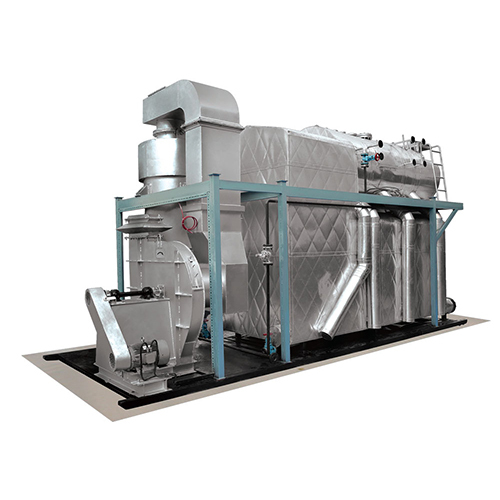
The CBL Reciprocating Grate Boiler is an advanced, multi-fuel biomass fired power boiler designed for high-capacity steam and power generation applications. Built on a Three Pass Water Wall design with hydraulically driven reciprocating grate technology, it is engineered to fire challenging biomass fuels - including high-moisture content fuels up to 50-55% moisture - that conventional fixed-grate boilers cannot handle efficiently.
With over 2,500 working installations worldwide and CBL's full suite of global certifications, this boiler is the choice for industries requiring large-scale, fuel-flexible, reliable steam and power generation from biomass and agro-waste fuels.
Multi-Fuel Biomass Capability
The Reciprocating Grate Boiler is designed for complex and versatile biomass fuels. The following fuels can be fired:
- Paddy Straw - Bale feeding system available
- Mustard Straw / Husk
- Coffee Husk
- Palm Fiber
- Coconut / Palm Waste
- Lignin Wet Cake
- Wood Chips
- Crushed Briquettes
- Ground Nut Shell
- Herbal Waste
- Rice Husk, Cotton Stalks, Bagasse, and other agro-waste fuels
Key Design Features
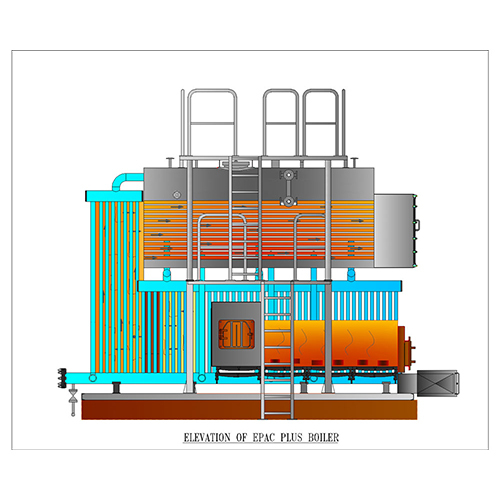
- Three Pass Water Wall design - maximises heat transfer across the full combustion path
- Tall and multi-pass furnace - increases flue gas residence time, ensuring complete combustion before entering convection heating surface
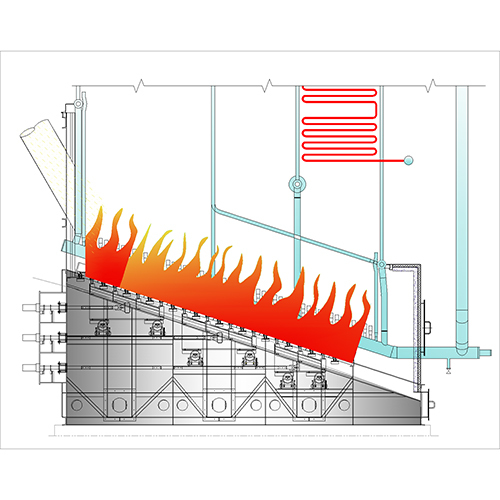
- Hydraulically driven reciprocating grate - fixed and moving bars alternate at regular intervals; movable bars reciprocate via hydraulic drive, pushing fuel forward uniformly and discharging ash regularly
- Four-zone grate management -Drying Zone, Combustion Zone, Post-combustion Zone, and Ash Zone, with independent air/speed control for each section
- Fires fuels with 50-55% moisture - grate design dries fuel progressively before combustion zone
- High-pressure deep-penetration secondary air jets - strategically placed at multiple levels in furnace walls for proper turbulence, volatiles mixing, and complete combustion
- Less choking - uniform fuel movement prevents bridging and blockages
- Less ash residue- complete combustion minimises unburnt carbon in ash
- Optimum gas velocity across water wall - reduces erosion and increases heat transfer coefficient
- Rotary feeder with fuel spreader - consistent, even fuel distribution across the full grate width
- Economiser fitted - recovers heat from flue gases for feedwater preheating, improving overall boiler efficiency
CBL Certifications & Quality Standards
|
Quality & Safety Certifications
|
Design & Structural Standards
|
|
ISO 9001:2015 - Quality Management
|
IBR - Indian Boiler Regulations
|
|
ISO 14001:2015 - Environmental Management
|
ASME 'U', 'S' & 'H' Certificates
|
|
ISO 45001:2018 - Occupational Health & Safety
|
EN1090-1:2009 + A1:2011
|
|
ISO 3834-2:2005 - Welding Quality
|
EN1090-2:2018
|
|
Lloyd's Register | TUV | SGS | CE Certified
|
Inspected by prestigious global agencies
|
Ideal Applications
- Textile clusters and large textile mills - high steam demand with biomass fuel availability
- Paper and board mills - using wood chips, bark, and agro-waste fuels
- Sugar mills and distilleries - bagasse and spent wash fired cogen plants
- Rice mills - paddy straw bale firing with rice husk
- Captive Power Plants (CPP) - biomass-to-power for large industrial consumers
- Co-generation plants - simultaneous process steam and power generation from biomass
- Industrial clusters with organised biomass fuel supply chains
Why SEACPL for Reciprocating Grate Projects
Reciprocating boiler projects are complex - involving civil foundations, structural steel, fuel handling systems, ash handling, pollution control integration, and electrical/instrumentation tie-ins. SEACPL's turnkey project execution capability means we can take single-point responsibility for the full system - from feasibility assessment through commissioning and operator training.
For large biomass boiler projects, SEACPL conducts a detailed fuel assessment before any capacity recommendation - covering fuel availability, moisture variation, calorific value, ash characteristics, and seasonal supply reliability. Getting this right at the outset prevents the costly performance shortfalls that plague incorrectly specified biomass boiler installations.
Efficient Biomass CombustionOur biomass fired boilers feature reciprocating grates that efficiently burn different biomass fuels, such as wood chips, husks, and pellets. This technology ensures thorough combustion, maximizing heat output and minimizing fuel waste, making your industrial operations more sustainable and cost-effective.
Robust Stainless Steel ConstructionManufactured with high-grade stainless steel, these boilers offer longevity and excellent resistance to corrosion and high temperatures. The durable construction ensures continuous performance even in the most demanding industrial conditions, giving you peace of mind and optimal productivity.
FAQ's of Biomass Fired Boilers -Reciprocating Grate:
Q: How does a biomass fired boiler with a reciprocating grate work?
A: A biomass fired boiler with a reciprocating grate uses a moving grate system to evenly distribute biomass fuel, such as agricultural waste or wood chips, across the combustion area. This mechanism enhances fuel combustion, increases thermal efficiency, and reduces the buildup of ash.
Q: What are the main benefits of using this boiler for industrial applications?
A: The main benefits include high efficiency, reduced fuel costs through biomass utilization, lowered emissions, and robust performance under continuous industrial use. Stainless steel construction ensures durability and a longer service life.
Q: When should I choose a biomass fired boiler with a reciprocating grate for my facility?
A: Choosing this type of boiler is ideal when your facility requires a consistent and eco-friendly heat or steam supply, particularly if you have access to ample biomass fuels. It's suitable for new installations or as a sustainable upgrade to existing systems.
Q: Where can I purchase or source these boilers in India?
A: You can purchase biomass fired boilers with reciprocating grates from licensed retailers, suppliers, traders, or wholesalers throughout India. They are readily available from trusted industrial equipment vendors.
Q: What is the typical process of installing such a boiler in an industrial setting?
A: Installation involves assessing your facility's energy needs, selecting the appropriately sized boiler, preparing the site for safe operation, and ensuring correct electrical connections (220-440V). A professional technician usually handles assembly, setup, and initial testing.
Q: How is this boiler maintained for optimal performance?
A: Regular maintenance includes scheduled cleaning of the reciprocating grate and boiler surfaces, inspecting all moving parts, monitoring electrical components, and timely replacement of worn parts. Consistent upkeep ensures longevity and efficient functioning.
Q: What is the standard size and color of this boiler?
A: The boiler is manufactured in standard industrial sizes and comes with a professional grey finish, making it suitable for various types of industrial establishments.
 Send Inquiry



 Send Inquiry

 Send Inquiry
 English
 Spanish
 French
 German
 Italian
 Chinese (Simplified)
 Japanese
 Korean
 Arabic
 Portuguese